Access to a Free and Natural GLP-1
Everyone is talking about GLP-1’s.
But do we actually know what a GLP-1 is?
Per Cleveland Clinic, a GLP-1 is:
GLP-1 is a hormone that your small intestine makes. It has several roles, including:
1. Triggering insulin release from your pancreas: Insulin is an essential hormone that allows your body to use the food you eat for energy. It lowers the amount of glucose (sugar) in your blood. If you don’t have enough insulin, your blood sugar increases, leading to diabetes.
2. Blocking glucagon secretion: Glucagon is a hormone your body uses to raise your blood sugar levels when necessary. So, GLP-1 prevents more glucose from going into your bloodstream.
3. Slowing stomach emptying: Slower digestion means that your body releases less glucose (sugar) from the food you eat into your bloodstream.
4. Increasing how full you feel after eating (satiety): GLP-1 affects areas of your brain that processes hunger and satiety.
So before a GLP-1 was created as a prescription, it already worked naturally in our body. A glucagon-like peptide-1 mimics the natural action our body is already capable of doing.
If our bodies are already capable of this, why do some feel the need to be prescribed a GLP-1 drug? How about before turning to this option, we “take stock” of our lifestyle first.
Let’s break it down into three categories. Food - being the biggest and most important. Did you know that consuming protein stimulates the natural release of GLP-1? Per my last blog post, I thought I was getting enough protein while breastfeeding (you burn 500+ more calories per day breastfeeding, on top of what you normally burn). But when I began logging my food via MyFitnessPal, I discovered I wasn’t eating enough protein at all. THIS was why I was so hungry.
In my early 20’s, I remember a friend confiding in me that she didn’t understand why she wasn’t losing weight. She felt she was eating healthy, but here is what she told me she had for breakfast and lunch:
Jamba Juice Smoothie
Yogurt with Granola
Fruit
You know what is actually listed here?
Sugar.
Sugar.
Sugar.
Most Jamba Juice smoothies are nothing but sugar, and most yogurt brands in the US are filled sugar as well. Granola, unless made at home, is like baking oatmeal into candy. Fruit has natural sugars, which depending on the person, is totally fine - but some should enjoy fruit in moderation.
Consuming simple carbohydrates or sugars (like eating a muffin) cause spikes in insulin, which then lead to rapid energy storage and shifts your body into fat-storage mode. Fatigue, hunger and cravings follow. Which equals weight gain. This becomes a vicious cycle until you are able to break it.
Yes - until YOU are able to break it.
Let’s take a look at two ways of fueling yourself in the morning:
Breakfast #1: Oatmeal with dried cranberries and walnuts. Let’s break down the nutrients:
1/3 cup of oatmeal: 100 calories, 3.3 grams of protein, 2 grams of fat and 1 gram of sugar.
1/4 cup of cranberries: 130 calories, 0 grams of protein, 0 grams of fat and 28 grams of sugar!!
1/4 cup of walnuts: 196 calories, 4.6 grams of protein, 19.6 grams of fat and 1 gram of sugar.
Altogether, this small breakfast was 496 calories, 7.9 grams of protein, 21.6 grams of fat and 30 grams of sugar.
Compare Breakfast #1 with Breakfast #2:
3 hardboiled eggs and raspberries:
3 hardboiled eggs: 180 calories, 18 grams of protein, 12 grams of fat and 0 grams of sugar.
1/2 cup of raspberries: 43 calories, 0.1 gram of fat, and 2 grams of sugar.
This comes out to 223 calories, 18 grams of protein, 12.1 grams of fat and 2 grams of sugar.
These breakfasts are not the same.
While the first breakfast is double the calories and almost 30x the amount of sugar, it does not include protein that would stick with you throughout the morning; and would stimulate the release of a natural GLP-1 for several hours.
What we need to do is teach our body is to become insulin sensitive! In choosing the better breakfast above, I’m teaching my body to become more insulin sensitive.
Insulin is good. Glucose is good. It’s energy! Everything in moderation right? Too much of one is bad. So why don’t we use both to our advantage and allow them to work together for our own greater good? We live in a culture that glorifies self-love. So why don’t we love ourselves by fueling ourselves the best we can? In a way that actually makes us feel good.
We can improve insulin sensitivity through direct lifestyle changes, like: Diet and Exercise.
My question to someone considering being prescribed a synthetic GLP-1: Have you really exhausted all other natural avenues? Perhaps before going to the Doctor to receive medication, we simplify life first.
Here are 3 things I would look at before taking a GLP-1:
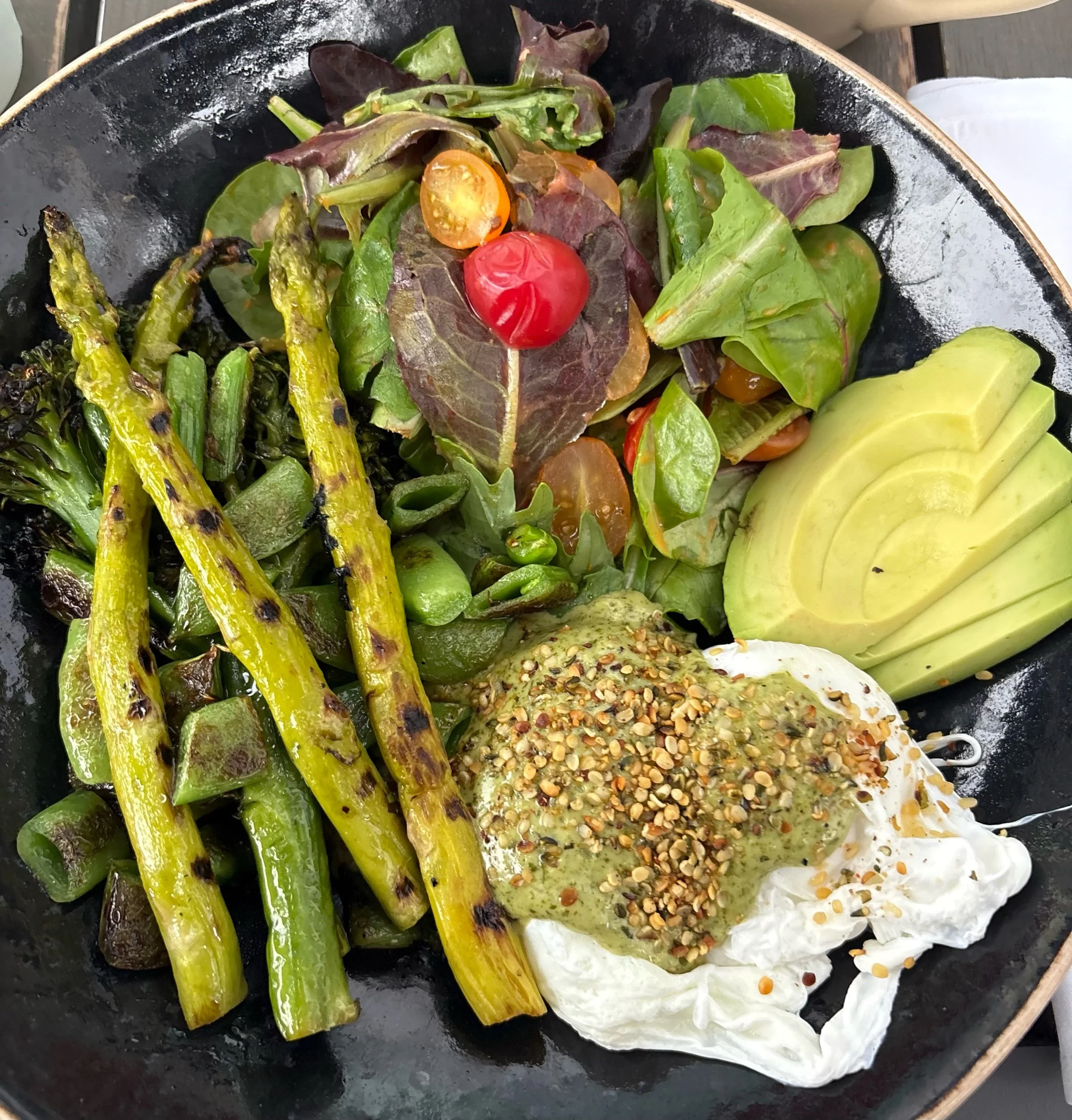
Food - What are you actually eating? Download the free version of MyFitnessPal and start looking at what nutrients you are actually consuming. Are you getting enough protein? Are you eating too much sugar? Eat things like eggs, fish, chicken, red meat, fibrous vegetables and incorporate fruit and starchy vegetables here and there. It’s not rocket science. It’s simple. But maybe that’s why we make it so complicated for ourselves. Adhering to a simple plan takes discipline.
Exercise - Exercise improves how your body uses insulin. Are you exercising in a way that actually fits your needs? Are incorporating too much cardio? Are you an easy stresser, and do the fitness classes you attend actually spike your cortisol even more? Should you look at another method of moving? Don’t sleep on the easiest form - walking. They say that within 10 minutes of walking, your brain releases chemicals to improve your mood. It’s not only beneficial for your body, but also your mind.
Sleep - sometimes you just need to GO TO SLEEP. Housewives fans can hear Bethenny screaming this (it’s too hilarious!!)! You don’t need that workout class, you just need some Zzz’s. In most cases, it would be better if you ate whole foods, drank a lot of water, went for a walk and went to bed early than include a strenuous workout. Subtracting sugary foods and alcohol, if anything, will improve your sleep patterns and allow you to get a better quality of sleep.
GLP-1 Drugs cost $300 - $500 per month. A Personal Training session might be $50-200 per session. But the above takes discipline. Which is almost free to you! It costs you the comfort of now. To receive gratification in the future. Your future self will thank you - for feeling better and looking better!
See what happens in 60 days. Even 30!